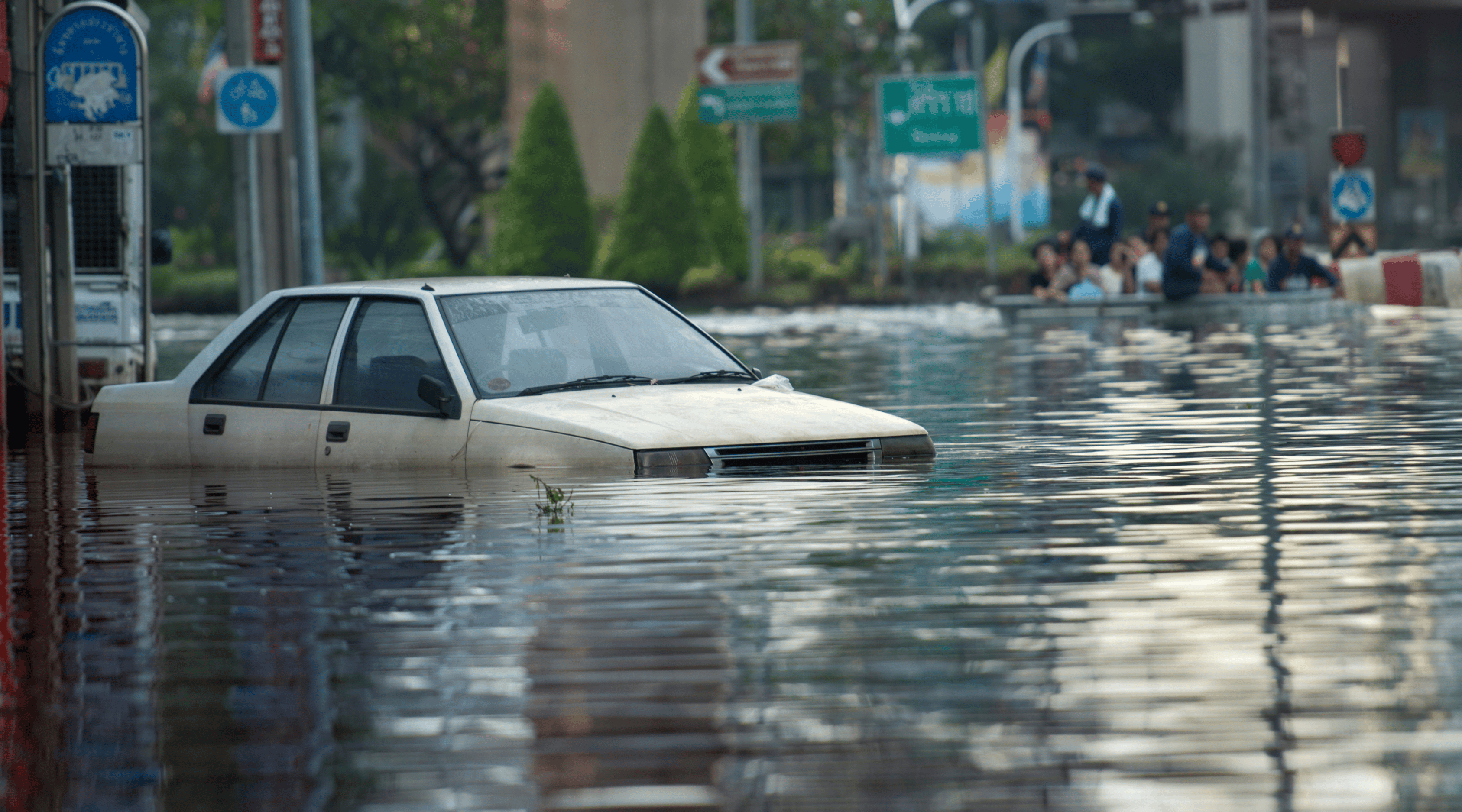
How changing climate conditions are creating new markets and investment needs in Mongolia.
Three questions are becoming increasingly important for Mongolian businesses:
Climate change is raising the human and economic cost of extreme heat, floods, droughts and other environmental disruptions. A World Economic Forum and Oliver Wyman analysis estimates that climate change could cause an additional 14.5 million deaths and US$12.5 trillion in economic losses worldwide by 2050 through its effects on health.
The consequences extend across labour productivity, food and water security, healthcare systems, infrastructure and supply chains. Companies will increasingly operate under conditions that differ from the historical assumptions used to design their facilities, procurement systems and investment plans.
Climate mitigation seeks to limit future warming through lower greenhouse-gas emissions. Climate adaptation covers the investments and operational changes required to manage the climatic shifts already under way. Resilience describes the capacity of a business, community or economic system to withstand disruption, recover and continue performing its essential functions.
For companies, resilience includes maintaining production, protecting assets, securing critical inputs and stabilizing supply chains. At the level of an economy, it includes the continued functioning of infrastructure, communities, markets and financial institutions.
The scale of the required investment is substantial. Developing countries are estimated to require US$310–365 billion annually for adaptation by 2035, compared with US$26 billion in international public adaptation finance provided in 2023.
Public investment will remain central, particularly for infrastructure and services whose benefits extend across communities. Private businesses and financial institutions will also play a growing role in providing the technologies, operating models, insurance and capital required to manage climate-related disruption.
This demand is expanding markets for climate intelligence, resilient infrastructure, water systems, agricultural technology, business-continuity services and resilience finance.
Mongolia’s businesses, infrastructure and financial systems were developed around climatic conditions that are changing rapidly. According to the Bank of Mongolia’s climate-risk assessment, Mongolia’s average annual temperature increased by 2.24°C between 1940 and 2015, accompanied by more hot summer days, fewer frost days and greater variability in precipitation.
These changes interact with existing economic vulnerabilities, including dependence on climate-sensitive livestock production, limited water availability, concentrated urban infrastructure and heavy reliance on a small number of export markets.
The 2023–2024 dzud demonstrated how quickly an environmental shock can spread through the wider economy. More than 7.44 million livestock were lost, reducing household wealth, future income and the supply of agricultural raw materials. UNDP reported that the dzud led to a 25% decline in agricultural GDP growth during the first nine months of 2024, alongside wider effects on food security, migration, education and health.
The effects reached processors, traders, transport providers, rural retailers, banks and public support systems. Livestock serves as productive capital and household wealth, which means economic recovery can continue for years after the immediate emergency has passed.
Mongolia also faces the possibility of several shocks reinforcing one another. The World Bank modelled a severe but plausible combination of consecutive dzuds, major flooding in Ulaanbaatar and a sudden decline in Chinese demand for Mongolian coal.
The combined events could generate a negative shock equivalent to approximately 20% of Mongolia’s annual GDP over a three-year period. The model also produced a possible output decline of 21% and an increase in unemployment to 14%. The scenario was designed as a risk-management exercise exploring the consequences of several high-impact events occurring in close succession.
The analysis illustrates the connections among rural livelihoods, urban infrastructure, export earnings, employment, public revenue and financial stability. Disruption originating in one part of the economy can intensify pressure elsewhere.
Climate-related financial analysis commonly separates physical risks from transition risks. Physical risks arise from changing weather and environmental conditions. Transition risks arise from changes in regulation, technology, financing and market demand as economies respond to climate change.
Management teams encounter these risks through commercial and financial consequences.
A company may lose production days, encounter unreliable water or electricity, face damaged inventory or struggle to obtain essential raw materials. Employees may have difficulty reaching the workplace, insurance costs may rise, and suppliers may fail to fulfil contracts. Changes in technology, buyer expectations or regulation may weaken demand for existing products and require substantial new investment.
These effects influence revenue, operating expenditure, capital requirements, asset values and access to finance.
A livestock processor may face unstable supply volumes and declining raw-material quality following repeated droughts and dzuds. A manufacturer may find that water availability limits production capacity and future expansion. A property developer may face higher construction, maintenance and insurance costs in areas with inadequate drainage and infrastructure. A mining company may encounter pressure from water competition, transport interruption or changing demand in export markets.
Companies will need to strengthen the continuity of their existing operations. At the same time, recurring climate-related problems are opening markets for businesses capable of solving them.
Climate intelligence offers a clear example.
Weather forecasts, satellite imagery and environmental data create commercial value through better decisions. Farmers can intervene earlier against pests, insurers can improve risk assessment, logistics companies can anticipate route disruption, and lenders can identify borrowers likely to experience financial stress.
Climate change is altering the geographical range and behaviour of agricultural pests, reducing the reliability of historical pest-management practices. Scoutlabs, a company supported through the European Space Agency’s business-incubation system, combines connected insect traps, satellite observations, environmental data and artificial intelligence to provide farmers with earlier warnings of pest pressure.
Its devices capture high-resolution images of insect pests, which are analysed using artificial intelligence and reviewed by entomologists. The system combines this information with Earth-observation data to monitor pest populations and environmental conditions in real time. According to the European Space Agency, the service allows farmers to respond earlier, reduce crop losses and substantially decrease pesticide use. (European Space Agency: Scoutlabs)
The value proposition rests on lower crop losses, more targeted pesticide use, reduced monitoring costs and greater certainty over future yields. Satellite technology, sensors and predictive models provide the delivery infrastructure.
Commercial viability depends on a recurring problem with a material economic cost, an effective solution and a credible payment model. Adaptation markets frequently involve several beneficiaries.
A processor may support agricultural monitoring to stabilize its supply. An insurer may finance early-warning services to reduce claims. A bank may fund resilient equipment to protect borrower cash flow. A public institution may purchase climate information because prevention reduces future emergency expenditure.
Similar opportunities are emerging around water monitoring and recycling, flood protection, resilient construction, cooling, backup energy, storage, emergency logistics and insurance.
Mongolia offers several immediate applications. Climate and satellite data could support pasture, water and fodder decisions. Telecommunications infrastructure could enable remote monitoring. Livestock services could combine climate information with animal health, traceability, insurance and finance. Engineering and construction companies could build specialized capabilities around flooding, water scarcity and more extreme temperatures.
Mongolia’s difficult operating environment may also support expertise relevant to other cold, dry, remote and sparsely populated markets. Commercial success will depend on reliable implementation, affordable delivery and a clear understanding of who captures the economic benefit.
Adaptation opportunities also extend to established companies seeking to protect critical resources and reduce operational volatility.
Suntory is a Japanese company founded in 1899 that has grown into a global beverage group producing soft drinks, bottled water, beer, wine, spirits and wellness products. Water is an ingredient in many of its products and an essential input across its manufacturing operations, making the condition of local water sources commercially significant to the company.
At Suntory’s Minami Alps Hakushu Water Plant in Japan, water security is managed through factory-level controls, scientific monitoring, forest conservation and cooperation with communities and public institutions.
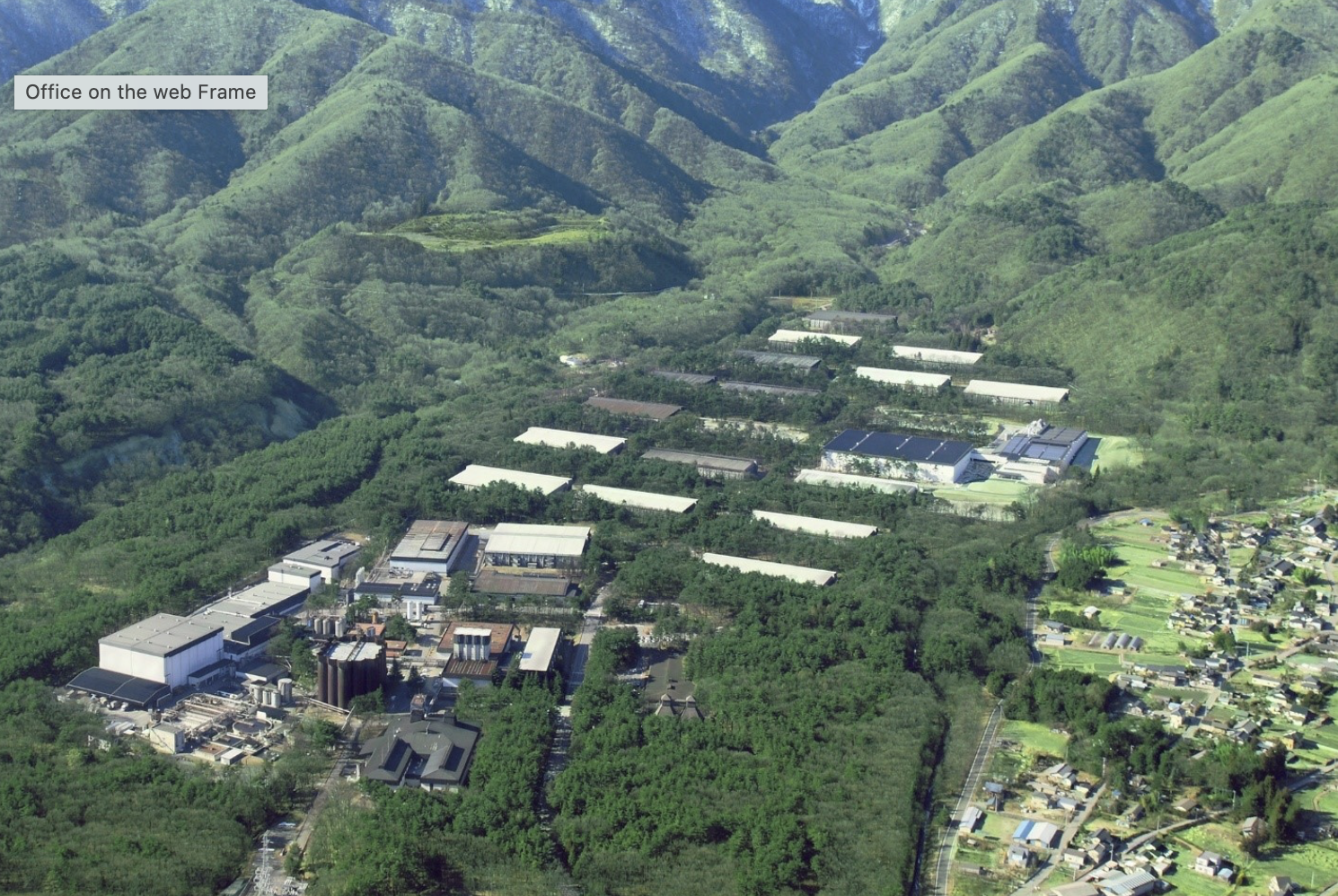
Figure 1. Suntory’s Minami Alps Hakushu Water Plant in Japan.
The Hakushu activities form part of Suntory’s wider Natural Water Sanctuary Initiative, which conserves and restores forests and biodiversity in the watersheds surrounding its plants. Suntory describes the programme as a core business activity because the quality and availability of groundwater directly support its products and production facilities.
The programme now covers more than 12,000 hectares across 27 locations in Japan and replenishes more than twice the volume of groundwater withdrawn by Suntory’s domestic plants.
The programme protects a strategic production input while improving the natural system supporting it. Scientific research gives the company better information about groundwater, soil and forest conditions. Long-term agreements with landowners, governments and communities allow the surrounding forests to be managed over periods extending from 30 to 100 years.
For Mongolian companies, comparable dependencies may involve pasture, water, agricultural suppliers, transport networks or local infrastructure. Potential measures include strengthening supplier resilience, improving storage and traceability, diversifying critical inputs and investing in shared water or emergency infrastructure.
These investments can support business continuity, supplier stability, product quality and market access. Their commercial value often arises through several benefits operating together.
Flood damage may weaken borrower cash flow and collateral value. Dzud conditions can affect processors, traders, transport providers and rural retailers across several loan categories. Water shortages may reduce factory utilization. Changes in coal demand can affect mining companies alongside their contractors, employees and surrounding communities.
Mongolia’s first banking-sector climate-risk exposure assessment provides an initial picture of these connections. Around 27.9% of total lending was assessed as having medium-to-high exposure to river flooding, while 26.4% had medium-to-high exposure to urban flooding. The two flood categories overlap and should therefore be interpreted separately.
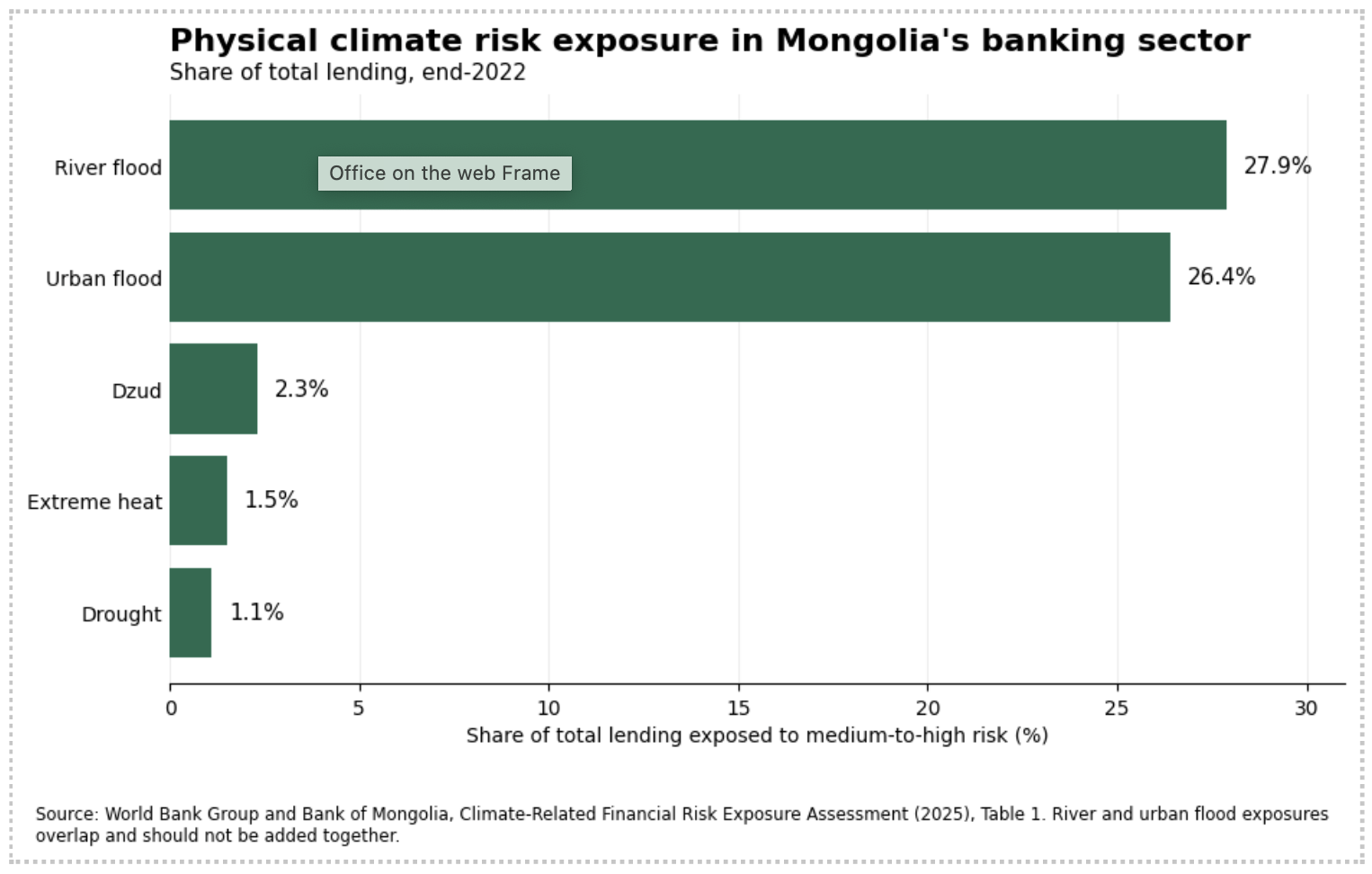
Figure 2. Physical climate-risk exposure in Mongolia’s banking sector.
Source: Onch & Co visualization based on the Bank of Mongolia and World Bank Group, 2025. Flood categories overlap.
The assessment also identifies material exposure to sectors sensitive to changes in technology, climate policy and market demand, particularly mining and manufacturing.
The report highlights important data limitations. Registered borrower addresses may differ from the locations of factories, warehouses, mines and other operating assets. Broad sector classifications may group companies with very different technologies, markets and vulnerabilities. Banks may also lack consistent information on historical losses, insurance coverage, operational dependencies and existing resilience measures. (Bank of Mongolia and World Bank Group assessment)
Two borrowers with similar loan values and sector classifications can therefore present very different levels of financial exposure. Asset location, supply dependencies, insurance and continuity planning may have greater influence on repayment capacity than the sector label alone.
The report recommends stronger geographical and sectoral data, improved information on financed assets, internal capability development, scenario analysis and climate stress testing. It also calls for closer integration of climate considerations into governance, risk management, information systems and supervisory processes.
The same capabilities can support commercial development. Exposure to water scarcity may indicate customer demand for recycling equipment or alternative supply systems. Flood exposure may reveal demand for drainage, protective infrastructure, insurance and resilient construction. Unstable agricultural supply may create financing needs around storage, monitoring and supplier support.
Banks that connect risk analysis with relationship management and product development can identify investments arising from genuine client needs. Completed transactions can gradually provide evidence on project costs, implementation capacity, resilience outcomes and borrower performance.
This information can strengthen underwriting and support more relevant financial products. Competitive advantage will come from understanding the economics and performance of resilience investments in Mongolia’s priority sectors.
A commercially useful adaptation assessment traces the effects of changing conditions across revenue, costs, assets, suppliers, customers and future investment. It identifies interventions capable of protecting continuity and recurring customer problems that may support new products, services or financing.
This work draws on climate analysis, market assessment, financial modelling, product design, data governance, project structuring and implementation planning. Their integration allows management to move from general awareness to a defined course of action.
The first article in this series examined the industrial value chains created by the energy transition. Climate adaptation is driving a parallel economic shift through growing demand for technologies, infrastructure, services, insurance and finance that sustain economic activity under changing conditions.
The strategic question for Mongolia concerns how much of this capability domestic businesses and financial institutions can develop and finance themselves.

This is the second article in a series by Onch & Co examining how structural changes associated with the green transition are reshaping markets, investment and competitive strategy in Mongolia.
Contact us: